Miksi ruoka tarttuu teräspannuun

Why food sticks to stainless steel

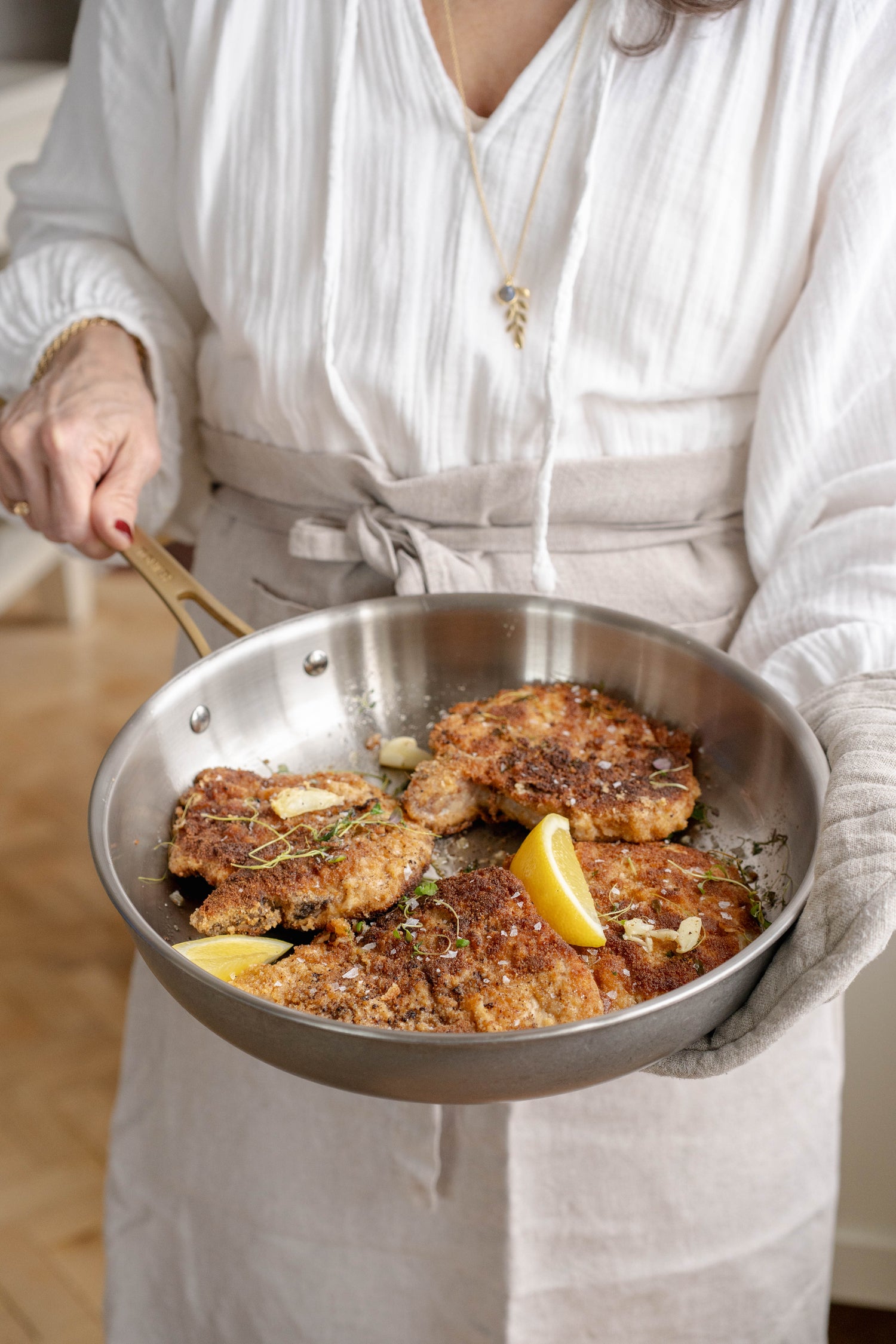
Stainless steel pans are beloved by home cooks and professional chefs alike for their durability and sleek appearance. However, many people struggle with one persistent problem: food sticking to the surface. If you've found yourself frustrated by eggs sliding around or meat refusing to release from the pan, you're not alone. The good news is that sticking is usually not a flaw in your cookware, it's often a matter of technique and understanding how stainless steel works.   
1. You're not preheating your pan properly

One of the most common mistakes is jumping straight to cooking without giving your pan adequate time to heat. Stainless steel requires patience. When you place food on a cold or insufficiently heated pan, it bonds to the surface. The solution is simple: preheat your pan for 2-3 minutes on medium heat before adding oil or butter. You'll know it's ready when a drop of water forms a ball and rolls around rather than immediately evaporating.


2. The oil or butter isn't hot enough

Adding cold oil to a hot pan isn't enough, the oil itself needs to be hot. When oil reaches the right temperature, it creates a barrier between the food and the pan surface, preventing sticking. Let your oil heat for another 30 seconds to a minute after adding it to the pan. You should see it shimmer and move easily across the surface. If you're using butter, wait until the foaming subsides before adding your food.


3. You're moving food too early

Patience is key when cooking with stainless steel. When food first hits the pan, it naturally sticks as moisture is released. However, once a proper crust forms, it will release on its own. Resist the urge to flip or move your food immediately. Give it time (usually 3-4 minutes for proteins like chicken or fish) before attempting to move it. If it's still stuck, it's not ready yet.


4. Your pan isn't truly clean

Residue from previous cooking, even if invisible to the eye, can cause sticking. Make sure to thoroughly wash and dry your pan before each use. For stubborn buildup, use a paste of baking soda and water, or soak the pan briefly in warm soapy water. A truly clean surface is essential for proper heat distribution and food release.

"Stainless steel requires patience. When you place food on a cold or insufficiently heated pan, it bonds to the surface."

5. You're using too high heat

While stainless steel can handle high temperatures, cooking at maximum heat can actually cause sticking. Extremely high heat can cause uneven heating and rapid moisture evaporation, which leads to food bonding to the pan. Medium to medium-high heat is usually ideal for most cooking tasks. This also gives you better control and more consistent results.


6. The food itself is the issue

Sometimes the problem isn't your technique, it's what you're cooking. Lean proteins with low fat content are more prone to sticking than fattier cuts. Similarly, very fresh fish tends to stick more than older fish. If you're cooking something particularly delicate, consider using a bit more fat or oil than you normally would to create a better barrier between the food and the pan.


7. You're not using enough fat

Stainless steel isn't naturally non-stick like some coated pans. It relies on adequate fat to create a slippery surface. Don't be shy with your oil or butter, use enough to coat the pan generously. This doesn't mean drowning your food, but rather ensuring there's sufficient fat to prevent direct contact between the food and the metal surface.

Mastering stainless steel cooking is about understanding the relationship between heat, moisture, and timing. Once you've adjusted your technique and avoided these common pitfalls, you'll find that stainless steel pans perform beautifully and release food just as easily as any other cookware.

"Make sure to thoroughly wash and dry your pan before each use. For stubborn buildup, use a paste of baking soda and water, or soak the pan briefly in warm soapy water."